Neighbourhood picks
7th Sense Boutique Apartments Sofia Review: Rooms, Location, Amenities & Booking Guide 2026
An independent look at this design-led apart-hotel in Sofia's city centre, from room layouts and neighbourhood walkability to what you actually get for your money in Bulgaria's capital.
What Makes 7th Sense Boutique Apartments Stand Out in Sofia's Accommodation Scene
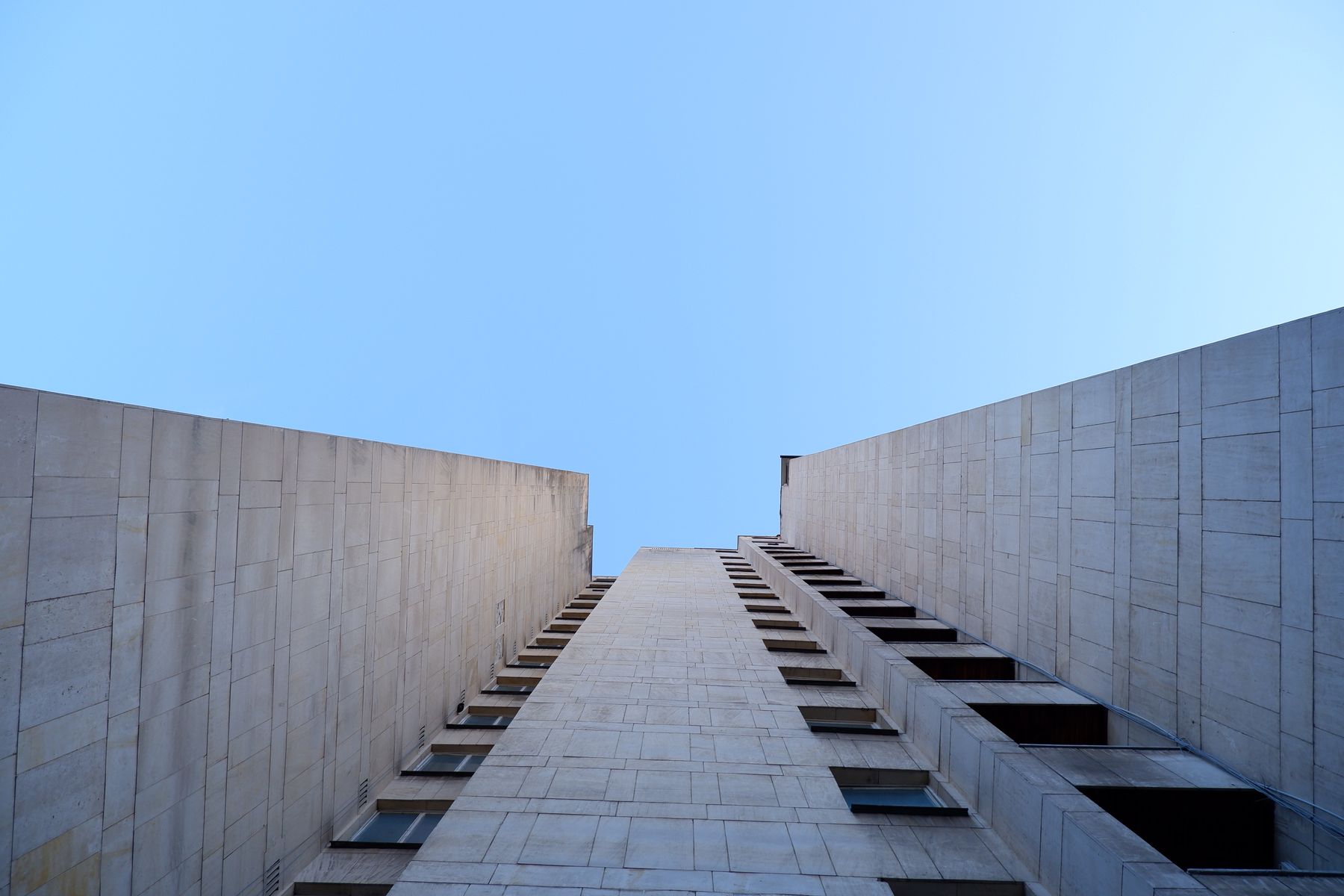
7th Sense Boutique Apartments sits on Tsar Osvoboditel Boulevard, the wide, tree-lined artery that runs between the National Assembly and City Garden, placing you within a seven-minute walk of Alexander Nevsky Cathedral and five minutes from the Ivan Vazov National Theatre. The property occupies a renovated early-twentieth-century building with art-nouveau cornices and balconies overlooking one of Sofia's grandest streets. Inside, fifteen individually designed apartments spread across four floors blend exposed brick, oak parquet and contemporary furniture—think mid-century armchairs, brushed-steel kitchen fittings and walk-in rain showers. Unlike the chain hotels clustered near the NDK congress centre three kilometres south, this is a genuine boutique operation: the owner greets many arrivals personally, staff remember your coffee order by day two, and the design budget clearly went into underfloor heating and Nespresso machines rather than a lobby chandelier. Each apartment includes a fully equipped kitchen with dishwasher, induction hob and a dining table that seats four, making the property especially practical for families or anyone staying more than a weekend. The building has no restaurant or gym, but the location compensates—Vitosha Boulevard's cafés and the Central Market Hall are both under ten minutes on foot, and you're equidistant from Serdika metro station and the tram 10 stop on Vasil Levski Boulevard.
The apartments range from compact studios at twenty-eight square metres to two-bedroom units pushing seventy square metres, all with separate living areas and most with original herringbone floors. Room styles vary: some lean minimalist with white walls and Scandinavian furniture, others embrace maximalism with jewel-toned velvet sofas, gallery walls and patterned tiles in the bathroom. What they share is above-average soundproofing—double glazing on the boulevard side keeps tram noise to a low hum—and kitchens stocked beyond the usual kettle-and-fridge setup. You'll find a proper oven, a four-burner hob, a full cutlery and crockery set, dish soap, bin bags and even a starter pack of coffee pods and tea bags. Housekeeping visits every three days for longer stays, with fresh towels and a quick tidy; daily service costs extra. The two-bedroom apartments on the third floor open onto private terraces with bistro tables and views over the rooftops toward Vitosha Mountain, visible on clear days as a forested ridge rising south of the city. If you're travelling outside July and August, request one of these units when booking—the terrace transforms a standard city stay into something considerably more appealing, especially in May when the horse-chestnuts along Tsar Osvoboditel bloom.
The Neighbourhood: Tsar Osvoboditel and Central Sofia's Cultural Quarter
Tsar Osvoboditel Boulevard forms the spine of Sofia's museum and monument district, a compact zone where you can cover the city's flagship sights on foot in half a day. Heading east from the apartments, you reach Alexander Nevsky Cathedral in under ten minutes—the gold-domed landmark seats five thousand and houses one of the Balkans' finest icon collections in its crypt gallery. Cross the square and Sveta Sofia Church, the sixth-century basilica that gave the city its name, stands beside the Tomb of the Unknown Soldier and the eternal flame in the Alexander Battenberg Square. Continue east and you're at the Russian Church with its forest-green onion domes, then the Sofia University botanical garden. Walk west instead and within five minutes you'll pass the former Communist Party House, now housing the National Art Gallery's foreign collection, before arriving at City Garden, a small park flanked by the Ivan Vazov Theatre's neoclassical colonnade and the gilded façade of the Bulgarian Academy of Sciences. The National Assembly building sits directly opposite, its pediment carved with the slogan "Unity Makes Strength." This is tourist-dense territory in summer, but the broad pavements and frequent benches keep it from feeling oppressive. Side streets north of the boulevard—Vasil Levski, Rakovski, Graf Ignatiev—hold the better independent restaurants, wine bars and bookshops, plus a growing number of speciality coffee roasters that have displaced the old-guard espresso joints.
For everyday needs, the Central Market Hall (Tsentralni Hali) on Maria Luiza Boulevard is a fifteen-minute walk northwest, a Belle Époque glass-roofed structure where vendors sell Balkan cheeses, cured meats, honey, walnuts and seasonal produce at prices roughly half what you'd pay in Western Europe. The basement food hall offers ready-made banitsa, grilled kebapcheta and shopska salad to take away or eat at standing counters. Vitosha Boulevard, Sofia's main pedestrian shopping street, begins a ten-minute walk south; it's lined with international chains, gelaterias and pavement cafés that stay busy until late. For a quieter atmosphere, head north along Dondukov Boulevard toward the Largo, the Socialist-era ensemble of monumental buildings around the former Party House and the Sheraton, then veer into the Oborishte neighbourhood where crumbling nineteenth-century mansions share the streets with contemporary art galleries and experimental theatre venues. Parking along Tsar Osvoboditel is metered and competitive; 7th Sense Boutique Apartments offers a limited number of on-site spaces in a gated courtyard, bookable in advance. If you're relying on public transport, tram 10 runs the length of the boulevard and connects to the central railway station in twelve minutes, while Serdika metro station—the hub of Sofia's two metro lines—is an eight-minute walk southwest.
Room Categories, Layouts and What You're Actually Paying For
The entry-level Studio Deluxe measures twenty-eight square metres and suits solo travellers or couples willing to trade space for location. The bed sits in an alcove separated from the living area by a low bookshelf, and the kitchenette occupies one wall with a compact fridge, two-burner hob and combination microwave-oven. Storage is tight—one wardrobe and a luggage bench—but the layout feels considered rather than cramped, with a small dining table that doubles as a desk and a bathroom large enough for a proper shower cubicle rather than a corner tray. The One-Bedroom Apartment stretches to forty-five square metres, adding a separate bedroom with a king bed and blackout curtains, a living room with a sofa bed (usable for a child or third adult, less comfortable for two), and a full kitchen with dishwasher and dining space for four. This category offers the best value for couples planning a week-long stay who want to cook some meals and spread out in the evenings. The Two-Bedroom Penthouse units on the top floor measure sixty-five to seventy square metres, with two bathrooms, a master bedroom with a king bed, a second bedroom with twins or a queen, and the aforementioned private terrace. These work for families or two couples sharing costs, though note that one bathroom is ensuite while the other is accessed from the hallway.
Pricing in Sofia fluctuates less dramatically than in many European capitals, but expect rates to climb during the Christmas market period in December, the Sofia Film Fest in March, and the peak summer weeks in July and August when Bulgarian diaspora return and Western Europeans seek cheaper city breaks. A one-bedroom apartment typically falls into the mid-range bracket for central Sofia—less than you'd pay for an equivalent Marriott or Hilton room near the NDK, more than a business hotel in the outer districts, but competitive when you factor in the kitchen and the space. Weekly stays often unlock a discount, and booking directly with the property sometimes yields perks like airport pickup or a welcome grocery pack, though availability can be patchy during conference season. The kitchens are genuinely equipped to cook: I've stayed in apart-hotels where "kitchen" meant a microwave and a bar fridge, but here you get a full-sized fridge-freezer, a proper oven with temperature control, a four-slice toaster, a citrus juicer and a decent set of knives. If you're planning to self-cater for breakfast and a few dinners, the savings add up quickly—bread, yoghurt, cheese and vegetables at the Central Market Hall cost a fraction of hotel breakfast prices, and a bottle of Bulgarian wine starts at around three leva in neighbourhood shops.
Amenities, Services and What's Missing
Each apartment includes free Wi-Fi that handles video calls without lag, a flat-screen TV with cable channels (mostly Bulgarian, plus some English-language news and movie channels), air conditioning with individual controls, and heated floors in the bathrooms—a genuine luxury in Sofia's damp winters. The washing machines tucked into the larger apartments are full-sized Bosch or Miele models, not the token countertop versions, and there's a drying rack and iron in every unit. Toiletries are basic: you get hand soap and shower gel on arrival, but bring your own shampoo and conditioner if you're particular about brands. Checkout is at eleven, check-in officially from two, though the staff accommodate early arrivals when units are clean—worth messaging ahead if your flight lands at dawn. There's no twenty-four-hour desk; instead, you receive a door code and apartment key via WhatsApp or email before arrival, along with instructions for accessing the courtyard gate and finding your unit. This works smoothly if you're comfortable with self-service, less so if you prefer the hand-holding of a traditional hotel. The property can arrange airport transfers with a trusted driver—around forty-five minutes to Terminal 2 depending on traffic—and will book restaurant tables or museum tickets on request, but don't expect concierge-level initiative. You ask, they help; they don't anticipate.
What you won't find is a breakfast room, a bar, a gym, a spa or a rooftop terrace beyond the private ones attached to the penthouse units. If those amenities matter to you, you're better served by one of the full-service hotels near the Palace of Culture. There's also no on-site parking beyond the handful of courtyard spaces, and the surrounding streets fill early on weekdays. The absence of daily housekeeping means you need to be comfortable living in a space for a few days between tidies—if you're the type who wants fresh towels every morning, factor in the extra cost or choose a different property. On the plus side, the lack of hotel infrastructure keeps the atmosphere quiet and residential. You won't encounter tour groups in the hallways or wait for a lift behind a conference delegate hauling a banner stand. The building feels like a well-maintained apartment block where you happen to have rented a unit for a week, which is either appealing or disconcerting depending on your travel style. The common areas—a small lobby with a bench and a noticeboard, a hallway with original tiling and a restored wrought-iron banister—are clean and functional rather than designed to impress. For me, this restraint is part of the appeal; for someone expecting a boutique hotel experience with curated design at every turn, it might register as undercooked.
Day Trips and Why Sofia Works as a Base for Wider Exploration
Sofia's position at the foot of Vitosha Mountain and within two hours' drive of half a dozen significant sites makes 7th Sense Boutique Apartments a practical base for exploring beyond the capital. Vitosha itself is the easiest excursion: take the metro to Simeonovsko Shose station, then catch bus 122 to the Aleko cable-car station at 1,800 metres. In winter, the ski runs are modest but uncrowded; in summer, hikers tackle the two-hour climb to Cherni Vrah, the 2,290-metre summit with views across the Sofia plain to the Balkan range on clear days. The round trip from the apartments to the summit and back, including transport, takes five to six hours. Rila Monastery, Bulgaria's most visited cultural site, lies 120 kilometres south—a ninety-minute drive through the Rila Mountains or a two-hour bus journey from Sofia's Ovcha Kupel station. The UNESCO-listed complex, founded in the tenth century and rebuilt in the 1830s after a fire, centres on a courtyard surrounded by frescoed arcades, the monastery church and a stone tower. Arrive before ten to beat the tour buses; stay for lunch at one of the trout restaurants in the valley below. If you're renting a car, pair Rila with a stop in Blagoevgrad or push on to the Pirin Mountains for hiking trails around Bansko, though that makes for a long day.
Plovdiv, Bulgaria's second city, sits 150 kilometres southeast—a ninety-minute drive via the A1 motorway or a two-hour train ride from Sofia Central Station. The Old Town's cobbled streets climb a trio of hills lined with National Revival mansions painted in ochre, rust and cobalt, plus a Roman amphitheatre still used for summer concerts. Plovdiv works as a day trip, but consider staying overnight to experience the Kapana district's bars and galleries after the day-trippers leave. Koprivshtitsa, a mountain town preserved as an open-air museum of nineteenth-century architecture, is 110 kilometres east—a ninety-minute drive through the Sredna Gora range. The drive itself is part of the appeal, winding through beech forests and past shepherd's huts, with roadside vendors selling honey and dried herbs in summer. The town's colour-coded house museums (each ticket covers six houses) tell the story of the April Uprising against Ottoman rule, and the mehana-style restaurants serve slow-cooked lamb and bean stew at prices that feel borrowed from another decade. Back in Sofia, having a full kitchen means you can load up on local cheeses, sausages and wine during these trips and enjoy them back at the apartment rather than defaulting to restaurant meals every night. The two-bedroom units especially suit this approach: cook a proper dinner, open a bottle of Mavrud from Thracian Valley, and spread maps across the dining table to plan the next day's route.
Booking Strategy and When to Visit Sofia for the Best Experience
Sofia sees its highest visitor numbers in May, June and September, when the weather is warm enough for pavement dining but cooler than the July-August peak, and when the city's calendar fills with festivals—the Sofia Music Weeks classical series in May, the A to JazZ festival in June, the autumn theatre season opening in September. Book at least two to three weeks ahead for these months, especially if you want a specific apartment category or one of the terrace units. December is also busy, driven by the Christmas market in front of the National Palace of Culture and the New Year's Eve festivities along Vitosha Boulevard, though temperatures drop below freezing and snow is common. January and February are the quietest months, with hotel rates at their lowest and museums blissfully uncrowded, but short daylight hours and grey skies test your patience unless you're skiing Vitosha or visiting primarily for indoor pursuits—opera at the National Opera, contemporary art at the Sofia Arsenal or long dinners at mehanas. March and April bring unpredictable weather, with warm spells broken by late snowfalls, but the city's parks and boulevards bloom with magnolias and cherry trees, and Easter celebrations add energy if your dates align with the Orthodox calendar.
When searching for accommodation in Sofia, compare not just nightly rates but what's included and where you'll spend your time. A budget hotel near the central train station might be cheaper per night, but if you're adding taxi fares to reach the city centre and eating every meal out because there's no kitchen, the savings evaporate. A serviced apartment on Tsar Osvoboditel, by contrast, lets you walk to most sights, cook half your meals and live more like a resident than a transient guest. The trade-off is the lack of hotel amenities and the need for some self-sufficiency—you'll restock your own coffee pods, take out your own rubbish and navigate the building without a concierge to guide you. If that suits your travel style, properties like 7th Sense Boutique Apartments deliver strong value, especially for stays longer than three nights. If you're the type who wants a buffet breakfast, a lobby bar and someone to solve every minor problem, you'll be happier at a traditional hotel. Direct booking often unlocks the best rates and perks for apart-hotels, though availability can be limited during peak weeks. Check cancellation policies carefully—some rates are non-refundable, others allow free cancellation up to a week before arrival. For Sofia specifically, having a base on the central boulevards saves you time and transport costs, making a slightly higher nightly rate worthwhile if it puts you within walking distance of Alexander Nevsky, the National Gallery and the concentration of better restaurants and cafés that define central Sofia's appeal.
Questions, answered
Does 7th Sense Boutique Apartments include breakfast or have an on-site restaurant?
No, there's no breakfast service or restaurant. Each apartment has a fully equipped kitchen with an oven, hob, fridge-freezer, dishwasher and Nespresso machine, allowing you to prepare your own meals. The Central Market Hall is a fifteen-minute walk and offers fresh produce, cheeses and ready-made pastries, while cafés and bakeries line the surrounding streets for quick breakfast options.
How far is the property from Sofia Airport and what's the easiest transfer method?
Sofia Airport Terminal 2 is approximately twelve kilometres east, a thirty-five to fifty-minute drive depending on traffic. The metro doesn't yet connect the airport to the city centre, so your options are taxi (around fifteen to twenty leva), pre-booked private transfer (which the property can arrange), or bus 84 to the Serdika metro hub followed by an eight-minute walk.
Are the apartments suitable for families with young children?
Yes, especially the two-bedroom units. The separate bedrooms, full kitchens with dishwashers and washing machines make self-catering practical, and the location on a quieter stretch of Tsar Osvoboditel keeps street noise manageable. The property can provide a cot on request. Note there's no lift in the building, so if you're travelling with a pram, request a ground-floor apartment when booking.
What's within walking distance and do I need a car to explore Sofia?
Alexander Nevsky Cathedral, City Garden, the National Theatre, the National Gallery and Vitosha Boulevard are all within ten minutes on foot. Trams and the metro cover the rest of the city efficiently, and most central sights cluster within a twenty-minute walk. A car is unnecessary for exploring Sofia itself and parking is limited, but useful for day trips to Rila Monastery, Plovdiv or Vitosha Mountain beyond the cable-car access point.
What's the best time of year to book this property for good weather and fewer crowds?
May, early June and September offer the best balance—warm temperatures, blooming parks, festival activity and manageable visitor numbers. July and August are hotter and busier with both tourists and returning diaspora. January and February are quiet and cheap but cold and grey. Avoid the Christmas market weeks in December if you want lower rates, or embrace them if you enjoy festive atmosphere despite the crowds.
Doing good is the business: every booking through Stay Sofia funds one verified tonne of carbon removal — same room, same price, no markup.
Start your search