Culture & sights
Best Places to Watch the Sunset in Sofia: Rooftops, Hills & Hidden Viewpoints
From Vitosha Mountain's ridgelines to secret rooftop terraces in the city centre, Sofia offers sunset vantage points that turn the capital's blend of Orthodox domes, communist monuments and alpine skyline into a photographer's dream.
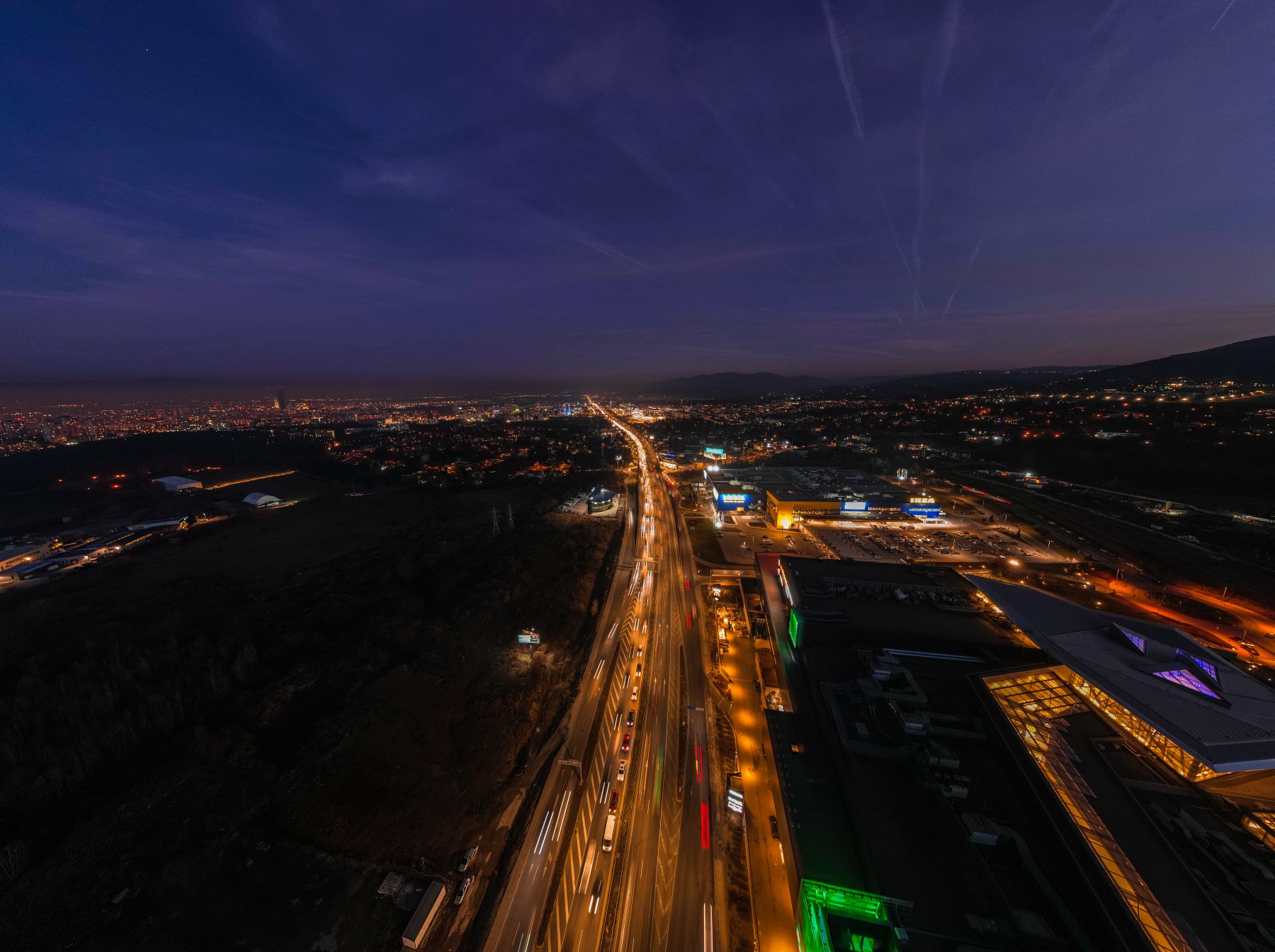
Vitosha Boulevard rooftops and the central terraces
The stretch of ulitsa Vitosha between Patriarch Evtimiy Boulevard and the National Palace of Culture sees crowds thin out after six in the evening, yet the buildings flanking this pedestrian artery hide half a dozen rooftop bars that open onto westward views. Sense Hotel on ulitsa Tsar Osvoboditel runs a sixth-floor terrace where sunset arrives around 19:30 in June and closer to 17:00 by late October; the bar serves Bulgarian wines from the Thracian Valley and you can watch the Alexander Nevsky domes catch the last amber light while the Vitosha massif darkens behind you. One floor down, the corner building at Graf Ignatiev 2 houses a members' club that occasionally opens for public events—check locally—offering unobstructed south-west sightlines over the rooftops of Lozenets district. If those are full, walk two blocks north to the Radisson on Narodno Sabranie Square; their eighth-floor lounge charges a cover after 18:00 but delivers 270-degree panoramas that include both the mountain and the golden cupolas.
Hotel guests staying along bulevard Patriarch Evtimiy often overlook the fact that many older buildings open their top floors to walk-in visitors during summer. The apartment block at number 18 operates a casual café on the seventh storey from May through September, where locals gather on mismatched chairs with Zagorka bottles and homemade banitsa; sunset here costs the price of a beer—around three leva—and the view sweeps from the Lyulin range in the north-west across to the TV tower on Kopitoto peak. Arrive by 18:45 in midsummer to claim a corner spot before university students fill the terrace. For something quieter, the garden level of the Hilton on bul. Bulgaria may seem an odd choice, but its western lawn sits low enough that the foreground clutter disappears and Vitosha's silhouette dominates; you will share the grass with hotel guests, yet the space rarely reaches capacity and security waves through anyone who looks purposeful.
Vitosha Mountain viewpoints: Kopitoto, Cherni Vrah and the mid-station terraces
Kopitoto peak—1,348 metres and a twenty-five-minute gondola ride from the Simeonovo lift base—remains the single most popular sunset pilgrimage for locals who want altitude without the full Cherni Vrah hike. The telecabin runs until 20:00 from June to August, last ascent at 19:15, and drops you three hundred vertical metres below the summit with a southwest aspect that frames the entire Sofia plain, the Rila spine beyond and on clear evenings even the distant outline of Musala. Bring a windproof layer; the ridge funnels a steady breeze even on warm July nights, and temperatures can fall ten degrees once the sun dips. The small hut at the top station sells instant coffee and packaged kifli but nothing substantial, so carry snacks if you plan to linger through blue hour. Mid-week in May or September you may have the wooden viewing platform to yourself; weekends in high summer see fifty or sixty people spread along the rocks, yet the expanse absorbs them without crowding.
Cherni Vrah itself—Vitosha's 2,290-metre summit—demands a three-hour climb from Aleko hut or a two-stage lift journey followed by ninety minutes on foot, which makes sunset return logistics tricky unless you carry headlamps and are comfortable descending scree in twilight. The dedicated few who time it correctly witness the shadow of the mountain stretching east across the capital while the Rila peaks ignite in alpenglow, but the last gondola leaves Aleko at 17:00 outside July and August, forcing a night on the summit or a stumbling walk down forestry roads. A middle option is the terrace at Meteorological Station Cherni Vrah, staffed year-round; the scientists tolerate respectful visitors and the concrete apron offers shelter from the wind, though you should ask permission rather than assume access. For most travellers booking a Sofia hotel with an early check-in the next morning, Kopitoto delivers ninety per cent of the visual drama with none of the route-finding stress, and you will be back at Simeonovo base station by 20:45, in time for a late dinner in Lozenets or the Doctor's Garden neighbourhood.
Borisova Gradina and the eastern ridges: Shishman hill and the aviation museum overlook
Borisova Gradina—the city's largest park, stretching from the NDK south to the Maria Luiza Boulevard junction—contains a forgotten lookout on the low ridge that separates the central lawns from the Orlov Most intersection. Locals call it Shishman hill after the adjacent ulitsa Tsar Ivan Shishman, though maps rarely mark it; walk south from Eagle Bridge along the park's eastern edge, veer right at the first major footpath fork, and climb the dirt track behind the derelict casino building. The summit plateau, perhaps fifteen metres above the surrounding parkland, faces west-northwest and captures sunsets over the Slatina and Nadezhda districts with Lyulin mountain closing the horizon. Because the hill sits low, foreground trees can obstruct sightlines in full leaf—visit between November and March for the clearest frames—but the trade-off is solitude; even on perfect September evenings you will share the grass with no more than a handful of dog-walkers and couples. Bring a blanket and something to drink; the nearest kiosk is back at the park entrance, a ten-minute walk.
Further east, the decommissioned aviation museum on bulevard Tsarigradsko Shose occupies a hillock that was never designed for public sunset viewing yet functions perfectly in that role. The museum itself closed in 2015, its MiG fighters and helicopter fuselages slowly rusting behind chain-link, but the access road remains open and the parking apron at the top gives a 180-degree arc from south to northwest. The elevation—just sixty metres above the Iskar plain—feels modest until you realise how flat Sofia is; from here the city spreads like a relief map, the golden domes of Alexander Nevsky visible seven kilometres west-northwest, the smoke from the TEC Sofia power station drifting south, and Vitosha rising as a dark wall. Sunsets in late April and early May align almost perfectly with the axis of Graf Ignatiev boulevard, sending shafts of light down the street grid. The site attracts urban explorers and photographers who know to ignore the fading closed signs; park beside the old Antonov fuselage, walk to the concrete pad where the control tower stands, and settle in. You will be back on the ring road in five minutes, making this an efficient stop if your Sofia hotel is in the Mladost or Dianabad districts and you want a sunset detour without adding thirty minutes to your route.
Hidden city-centre spots: the Russian Monument terrace and Knyaz Alexander gardens
The Russian Monument on Tsar Osvoboditel boulevard—formally the Monument to the Tsar Liberator—sits at the centre of a small terraced park that rises three levels above the street, and while the statue itself faces east, the western edge of the uppermost terrace delivers an unobstructed view across the rooftops of Oborishte toward the Vitosha foothills. This spot works best in October through March when the deciduous trees in the park lose their leaves and the sun sets early enough that commuters have cleared the boulevard; summer foliage blocks much of the sightline and the longer daylight means you will wait until after eight. The terrace holds perhaps twenty people comfortably, and because it lacks seating most visitors drift away within minutes, leaving the space to anyone patient enough to stand. Bring a thermos if the evening is cold; the only nearby café, a small hole-in-the-wall on Oborishte Street, closes at 18:00.
Knyaz Alexander gardens, the narrow green strip running north from the former royal palace to the Vasil Levski monument, rarely appears in sunset guides yet the northern end—where the park meets ulitsa Vasil Levski—offers a clear western view between buildings toward the Zaharna Fabrika neighbourhood and the mountains beyond. The sight-line is narrow, perhaps twenty degrees of arc, and the framing is urban rather than panoramic: you watch the sun drop behind residential blocks and advertising hoardings, the last light catching satellite dishes and laundry lines. For some travellers that ground-level authenticity is exactly the appeal; you are not on a designated viewpoint, you are standing where Sofia residents pause on their walk home, and the sunset feels earned rather than packaged. The park benches here see evening use by pensioners and students from the nearby university, and if you sit quietly someone may offer a segment of kashkaval or a handful of sunflower seeds. The light is softest in June and July when the sun's declination brings it directly down the avenue, and you can combine this stop with a stroll through the Wednesday open-air book market that sets up along the park's eastern fence from April to October.
Practical details: timing, transport and where to base yourself
Sofia's sunset times swing nearly four hours across the year: mid-June sees the sun set around 20:45, while late December pushes it back to 17:00, and that range affects both the feasibility of mountain excursions and the ambient temperature at altitude. For Vitosha trips, confirm the gondola schedule before you travel; the Simeonovo lift runs until 20:00 in July and August but closes at 17:00 from November through March, and attempting Kopitoto or Aleko after hours leaves you with either a taxi negotiation or a long walk down forestry roads in darkness. City-centre rooftops are more forgiving—most stay open until midnight—but the best tables fill early on Friday and Saturday, so arrive by 18:30 in summer or 17:00 in winter if you want a reserved spot. Weather shifts quickly in the Sofia basin, especially in spring and autumn; a morning of clear skies can turn overcast by 16:00 as moisture funnels up the Iskar valley, so check the hourly forecast rather than the daily summary and have a backup indoor plan.
Transport to Vitosha from central Sofia takes thirty to forty-five minutes depending on your starting point and chosen lift station. Bus 123 runs from the NDK to the Simeonovo gondola base every twenty minutes during the day, less frequently after 19:00; buy a ticket from the driver or use the Sofia Urban Mobility app, fare currently 1.60 leva. Taxis to Simeonovo cost twelve to eighteen leva from hotels near ulitsa Vitosha, more from outlying districts, and ride-share apps operate reliably here—Bolt usually undercuts metered cabs by two or three leva. If you are driving, the Simeonovo car park charges five leva for the evening and fills quickly on weekends; arrive before 18:00 or plan to circle for a space. For the eastern viewpoints—Borisova Gradina and the aviation museum—tram line 18 from the city centre stops at Orlov Most, then it is a fifteen-minute walk; the museum itself has no public transport and requires a taxi or personal vehicle. Booking a hotel within walking distance of the central rooftops—anywhere in the triangle formed by ulitsa Graf Ignatiev, bulevard Patriarch Evtimiy and Tsar Osvoboditel—means you can chase sunsets on foot and skip the logistics entirely, a meaningful advantage when you are juggling dinner reservations and uncertain weather.
Combining sunset viewing with Sofia's evening rhythms
The hour after sunset in Sofia belongs to the aperitivo crowds along Vitosha Boulevard and the side streets of Oborishte, and if you time your descent from Kopitoto or your exit from a rooftop bar to coincide with that window—roughly 20:00 to 21:30 in summer—you slide directly into the city's evening social current without the awkward gap that plagues earlier dinners. Restaurants along ulitsa Solunska and ulitsa Neofit Rilski begin filling around 20:30, and the best mehani in Lozenets—Made in Home on Angel Kanchev, Skara Bar on Tsar Ivan Shishman—serve until midnight, so a 19:00 sunset at Kopitoto leaves time for the gondola descent, a fifteen-minute taxi ride and a civilised arrival at your table. If you prefer lighter fare, the bakeries around Serdika metro station stay open late and sell warm banitsa until 22:00, perfect for a post-sunset snack before returning to your hotel.
Sofia's evening museum hours create a second pairing opportunity: the National Gallery's Quadrat 500 wing stays open until 21:00 on Thursdays from May to September, and the walk from Alexander Nevsky to the gallery entrance on Saborna Street takes you past several of the rooftop bars mentioned earlier, allowing a cultural stop before or after your sunset perch. The gallery's contemporary collection is compact enough to absorb in forty-five minutes, and the top-floor windows face west, offering a climate-controlled sunset alternative if weather turns. For travellers who want to maximise a single evening, the sequence is: early dinner in the city centre around 17:30, the 18:15 gondola to Kopitoto, sunset and descent by 20:30, then a nightcap at one of the bars along Graf Ignatiev before a short walk back to your hotel. That rhythm respects Sofia's unhurried pace without wasting the long summer twilight, and it keeps you in neighbourhoods where you will always find an open café or a well-lit path rather than stranded on a dark hillside wondering if the last bus has left.
Questions, answered
What is the best month for sunset viewing in Sofia?
June and July offer the latest sunsets—around 20:45—and the warmest mountain temperatures, but May and September deliver clearer skies with less afternoon cloud build-up, sharper Vitosha silhouettes and fewer crowds at Kopitoto. October brings early colour in the beech forests and sunsets that align beautifully with the city's east-west boulevards, though you will need a jacket after 18:00.
Do I need to book rooftop bars in advance?
Mid-week you can usually walk in, but Friday and Saturday evenings from May through September see the popular terraces along ulitsa Vitosha and Tsar Osvoboditel fill by 19:00. If sunset timing matters—say you want a specific table facing west—call ahead that morning or book through the hotel concierge to guarantee a spot.
Is it safe to stay on Vitosha after sunset?
The gondola stations and marked trails around Kopitoto and Aleko are well-maintained and see regular traffic until the lifts close, but wandering off-path in fading light is risky; the terrain is rocky, signage is sparse and mobile reception drops on the northern slopes. Always carry a headlamp if you plan to be on the mountain past the official lift closure time, and let your hotel know your route.
Can I reach sunset viewpoints without a car?
Yes—bus 123 connects the city centre to Simeonovo gondola base, tram 18 stops near Borisova Gradina and Orlov Most, and the central rooftops are all walkable from hotels along bulevard Vitosha or Patriarch Evtimiy. The aviation museum overlook is the only spot that genuinely benefits from a taxi or ride-share, though even that is manageable on foot if you are staying in Mladost.
Which viewpoint offers the least crowded experience?
The Shishman hill overlook in Borisova Gradina and the aviation museum terrace see minimal visitor traffic even on perfect evenings, largely because neither is marketed or signposted. The Russian Monument terrace also stays quiet outside peak tourist months, and its central location makes it easy to combine with dinner plans in Oborishte or the Vasil Levski neighbourhood.
Doing good is the business: every booking through Stay Sofia funds one verified tonne of carbon removal — same room, same price, no markup.
Start your search