Neighbourhood picks
Boyana Neighborhood Guide: Medieval Church, Mountain Views & Where to Stay in Sofia's Most Exclusive District
Tucked beneath Vitosha Mountain's forested slopes, Boyana blends UNESCO heritage, diplomatic villas and quiet streets just twenty minutes from Sofia's centre – here's how to experience this privileged corner of the capital.
Why Boyana sits apart from the rest of Sofia
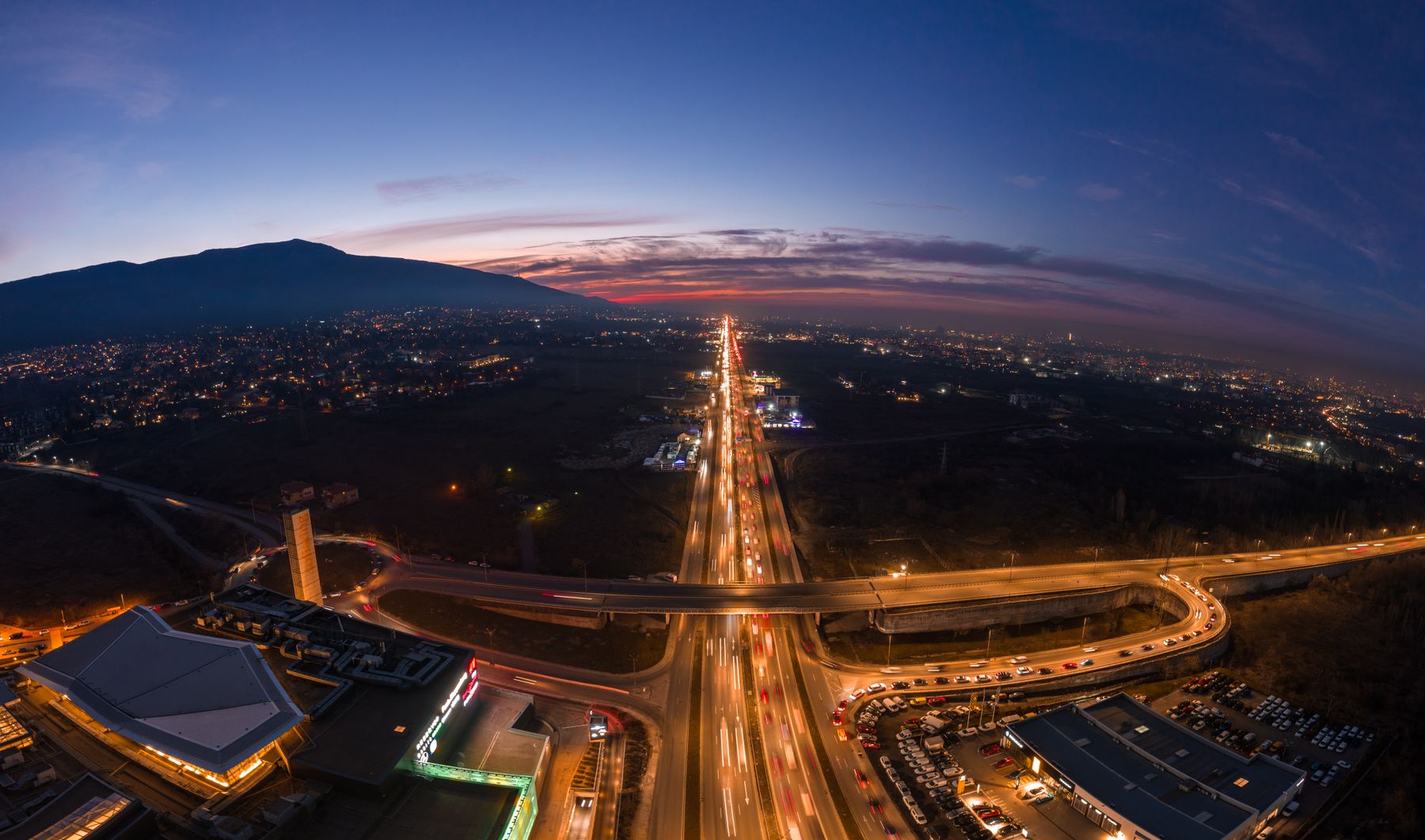
Boyana occupies the gentle lower slopes of Vitosha Mountain at the southwestern edge of Sofia, where the city's busy grid gives way to wooded hillsides and winding lanes. The neighbourhood begins around four kilometres from Tsar Boris III Boulevard and climbs steadily through pine-scented air toward the mountain's ski runs and hiking trails. Unlike the apartment blocks that dominate central Sofia, Boyana consists largely of detached houses set behind high walls, interspersed with embassies, international schools and carefully tended gardens. The air feels noticeably cooler and cleaner than downtown, particularly on summer evenings when the mountain breeze stirs the oak canopy. Most visitors arrive by taxi from the city centre – the ride costs twelve to eighteen leva and takes twenty to thirty minutes depending on traffic along Simeonovsko Shose. Marshrutka minibus route 64 runs from Hladilnika metro station to the base of Boyana, while route 107 continues higher into the neighbourhood, though services thin out after eight in the evening. If you're driving, bear in mind that many streets lack clear signage and Google Maps occasionally routes you down private roads; the main artery is Boyansko Ezero Street, which runs from the ring road up to the lake.
The neighbourhood divides into lower Boyana, clustered around the medieval church and Boyana Residence complex, and upper Boyana, which stretches toward the Kopitoto cable-car station and Dragalevtsi monastery. Lower Boyana holds most of the restaurants and easier walking routes, while upper Boyana offers quicker access to Vitosha's trail network but requires a car or taxi to reach amenities. The entire district feels residential rather than touristy – you'll pass more joggers and dog-walkers than souvenir hawkers – so come here to breathe mountain air, see the frescoes at the church, and use the neighbourhood as a launch pad for Vitosha hikes rather than expecting nightlife or museums on every corner. Between late May and early October, Boyana works beautifully as a base: you can breakfast on a terrace overlooking the forest, spend the morning hiking to Boyana Waterfall or Zlatni Mostove, then taxi into the city centre for an afternoon at the Archaeological Museum or Alexander Nevsky Cathedral before returning to the cool of the mountain. In winter, particularly January and February, the upper reaches of Boyana become a staging point for skiers heading to Aleko and the slopes above, though the neighbourhood itself receives only light snow and the streets remain passable.
The Boyana Church and its frescoes that changed medieval art
The Church of St Nicholas and St Pantaleimon stands on Boyansko Ezero Street, a compact three-part structure of dark stone and terracotta tile that looks modest until you step inside and confront frescoes painted in 1259 that art historians credit with prefiguring the Renaissance by a century. The church opens Tuesday through Sunday from nine-thirty until five-thirty between April and October, closing half an hour earlier in winter; admission costs ten leva, or five leva for students with valid ID. Only eight visitors enter at a time, spending exactly ten minutes in the dimly lit interior while a guide explains the panels in English, Bulgarian or Russian. Book your slot online at least a day ahead during May, June and September when coach tours arrive; walk-ups usually succeed on weekday mornings in winter. The 1259 frescoes – commissioned by sebastokrator Kaloyan and his wife Desislava – cover the walls of the middle section with portraits so lifelike and psychologically nuanced that they broke decisively with the flat, stylised conventions of Byzantine iconography. Look for the image of Tsar Constantine Tikh Asen and Tsaritsa Irina on the north wall: their faces show individual features, subtle shading and a sense of weight and volume that wouldn't appear in Italian painting for another seventy years. The unknown master who painted these panels worked with a limited palette of earth reds, ochres and lamp black, yet achieved a tonal range that makes each saint's robe seem to catch different qualities of light.
The church itself began as a small cross-domed chapel in the tenth or eleventh century; a two-storey annexe was added in the mid-thirteenth century to house the 1259 frescoes, and a third section appeared in the early nineteenth century. UNESCO inscribed the church on the World Heritage list in 1979, and the Bulgarian government restricts visitor numbers to preserve the fragile pigments. Photography inside is forbidden – guards watch carefully – so commit the details to memory or buy the illustrated guidebook at the ticket desk for twelve leva. After your ten-minute slot, walk the church grounds to see the ossuary and the small lapidarium displaying medieval column capitals and carved stones. Across the street, the Boyana Film Studios occupy a sprawling lot where Bulgarian cinema flourished during the socialist period; the complex now rents soundstages to international productions but remains closed to casual visitors. For context before visiting the church, spend an hour at the National History Museum, located two kilometres uphill in the former Boyana Residence of Todor Zhivkov; the museum's medieval gallery includes preparatory sketches and explanatory panels on fresco technique, and admission costs twelve leva. The Boyana Church gift shop sells excellent reproductions and scholarly monographs, though prices run high – a coffee-table book on the frescoes costs sixty leva.
Hiking Vitosha from Boyana's doorstep
Boyana serves as the most convenient starting point for several of Vitosha's best day hikes, particularly routes that climb through beech and spruce forest to the mountain's plateau and boulder fields. The trailhead for Boyana Waterfall sits at the end of Tsar Asen Street, about a kilometre uphill from the church; the hike covers roughly three kilometres one way, gaining three hundred metres of elevation through dense forest to a twenty-metre cascade that runs vigorously in May and June but often dries to a trickle by late August. The path is well-marked with red blazes and takes ninety minutes at a moderate pace; wear boots with ankle support, as the trail crosses loose scree near the falls. From the waterfall, fit hikers can continue another hour to Zlatni Mostove – the Golden Bridges – a strange river of lichen-covered boulders that flowed down the mountain during the last ice age and now stretches for several kilometres through the forest. Restaurants and snack kiosks operate at Zlatni Mostove on weekends from May through September, serving grilled meats, banitsa and cold beer; the area fills with Bulgarian families picnicking among the rocks. To return, either retrace your steps to Boyana or descend via the yellow-blazed trail to Simeonovo, where marshrutka 67 connects to the metro.
For a longer expedition, take a taxi from Boyana to the Kopitoto cable-car station – five leva, ten minutes – and ride the chairlift to the plateau at seventeen hundred metres. From the top station, you can hike east along the ridge to Cherni Vrah, Vitosha's summit at 2290 metres, in about three hours, or head west toward Kamen Del and the television tower. The ridge trails offer sweeping views over Sofia and, on clear days, sight lines south to the Rila range. Vitosha's weather shifts rapidly: carry a windproof layer even in summer, and check the forecast before committing to a ridge walk, as afternoon thunderstorms build quickly in July and August. The cable car operates daily from nine until four-thirty, closing for maintenance in May and November; the round-trip costs twenty leva. In winter, Boyana positions you perfectly for skiing at Aleko, though you'll need to drive or taxi up Simeonovsko Shose to the resort base. The runs at Aleko suit intermediates more than experts, with gentle cruising pistes and reliable snow from late December through March. Ski rental shops line the road near the lifts, charging thirty to forty leva per day for a basic package. I'd choose Boyana over central Sofia for a winter stay only if skiing or snowshoeing form the core of your trip; otherwise, the commute into town becomes tedious when days are short and roads are icy.
Eating and drinking in Boyana: upscale terraces and mountain lodges
Boyana's dining scene runs to elegant terraces and mountain mehanas rather than cheap eats or late-night bars. Chevermeto, on Filip Avramov Street near the church, occupies a restored nineteenth-century house with a vine-covered courtyard and serves refined takes on Bulgarian classics – slow-roasted lamb, shopska salad with proper barrel-aged white cheese, and zelnik with wild nettles. Mains cost eighteen to thirty-two leva; book ahead on Friday and Saturday evenings when Sofia's business crowd drives out for dinner. The wine list emphasises small Bulgarian producers from the Thracian Valley and Struma region. For something more casual, head to Vodenitzata, a traditional mill-house on Boyansko Ezero Street that does generous clay-pot stews, grilled pork ribs and fresh trout from Vitosha's streams. The interior feels deliberately rustic – wooden beams, woven rugs, folk pottery – but the cooking is careful and portions are large; expect to pay twenty-four to thirty-six leva for a main and a beer. Vodenitzata's terrace overlooks a small pond and stays open until eleven most evenings, later on weekends when live folk bands perform.
Higher up the mountain, Kumata and Edelweiss cater to hikers and skiers with hearty soups, grilled meats and warming rakia. Kumata sits just below Zlatni Mostove and opens daily from ten until sunset in summer, weekends only in winter; the mehana specialises in kavarma – a slow-cooked pork and vegetable stew – served piping hot in earthenware pots for fourteen leva. Edelweiss, near the Dragalevtsi monastery turnoff, offers a shorter menu but better views across the valley; try the Vitosha mixed grill – kebapche, kyufte, pork skewer and grilled pepper – for eighteen leva. Both places accept cash only. For breakfast or coffee, Boyana has surprisingly few options; most hotels serve breakfast, but if you're self-catering or staying in a rental apartment, drive down to the Fantastico supermarket on Tsar Boris III Boulevard or stop at Paul, the French-style bakery in Joliot-Curie, for croissants and espresso. The lack of casual cafés underscores Boyana's residential character – this is a neighbourhood where people breakfast at home, not on the high street. Evening entertainment is similarly muted: the cluster of wine bars and cocktail lounges you'd expect in Oborishte or Lozenets simply doesn't exist here. If you want Sofia's nightlife, taxi into the centre; if you want quiet dinners and early nights with mountain air streaming through open windows, Boyana delivers exactly that.
Where to stay in Boyana: boutique retreats and mountain-view hotels
Accommodation in Boyana clusters around two poles: small boutique hotels with garden terraces and personal service, and modern aparthotels targeting long-stay guests and families. The neighbourhood lacks international chain properties, which keeps the atmosphere intimate but means fewer loyalty-programme redemptions and more variation in standards. I'd book Boyana if you value quiet, greenery and proximity to Vitosha's trails over walking access to Sofia's museums and restaurants; if your trip centres on urban sightseeing, stay in Oborishte or the city centre and visit Boyana on a half-day excursion. For travellers splitting their time between mountain hikes and city culture – perhaps a four- or five-night stay in late spring or early autumn – Boyana offers the best of both: you can trail-run to Boyana Waterfall before breakfast, spend midday at the National Gallery, and return to the mountain for a terrace dinner under the pines. When you search for Boyana hotels, filter by guest rating and read recent reviews carefully; some older properties trade on their location without maintaining interiors or training staff to contemporary standards. Look for mentions of hot water reliability, English-speaking reception and transport assistance, especially if you don't plan to rent a car.
Expect to pay seventy to one hundred thirty leva per night for a double room in a three-star guesthouse, or one hundred forty to two hundred twenty leva for a boutique property with pool, spa or mountain-view suites. Prices peak in June, September and the Christmas–New Year period, when Sofia residents book mountain escapes; you'll find better rates and more availability in March, April and November, though weather becomes less predictable. Most Boyana hotels include breakfast – typically a Bulgarian spread of banitsa, kashkaval, lukanka, fresh bread, yogurt and fruit – and offer airport transfers for twenty to thirty-five leva each way. Parking is usually free and on-site, a meaningful advantage over central Sofia where garage fees add fifteen leva per day. The neighbourhood feels safe at all hours; you'll see private security patrols in the evening, and street crime is virtually unknown. The main inconvenience is the distance from metro stations and the lack of late-night public transport: if you plan evenings in the city centre, budget for taxis home – count on twenty to twenty-five leva from Vitosha Boulevard or the National Palace of Culture, slightly more after midnight. Some hotels arrange shared shuttles into town for guests, which cuts costs if you're travelling alone. For families or groups staying four nights or longer, consider a serviced apartment; several buildings near the church offer two-bedroom units with kitchens for one hundred eighty to two hundred fifty leva per night, which pencils out cheaper than hotel doubles once you account for self-catered breakfasts and the ability to store hiking snacks and picnic supplies.
Practical details: getting around and timing your visit
Boyana works best as a base if you're comfortable using taxis or have a rental car; relying solely on public transport means long waits and limited evening flexibility. The most useful marshrutka routes are 64, which runs from Hladilnika metro to lower Boyana every twenty to thirty minutes until eight in the evening, and 107, which continues higher into the neighbourhood but operates less frequently. Buy tickets – one lev sixty stotinki – from the driver; exact change helps but isn't required. Taxis from Sofia's city centre to Boyana cost twelve to eighteen leva depending on traffic and your exact destination; use OK Supertrans or Yellow Taxi, both of which accept card payment and run meters reliably. Ride-hailing apps function in Boyana, though coverage thins out late at night. If you're renting a car, book through an agency at Sofia Airport; rates start around forty leva per day for a compact manual, and parking throughout Boyana is straightforward. The drive from the airport to Boyana takes thirty to forty minutes via the ring road and Tsar Boris III Boulevard, longer during morning and evening peaks. Fill up at the OMV or Shell station on Bulgaria Boulevard before heading into the neighbourhood, as Boyana itself has no petrol stations.
The best months to visit are May, when wildflowers blanket Vitosha's meadows and the Boyana Waterfall runs full, and September, when summer crowds disperse, the forest canopy turns gold and temperatures settle into the low twenties. June and early July are excellent for hiking, though weekends see heavy foot traffic on popular trails; late July and August can be hot even at altitude, and afternoon thunderstorms frequently cut short ridge walks. October brings unpredictable weather – brilliant sunshine one day, cold rain the next – but hotel rates drop and the neighbourhood reclaims its essential quiet. Winter in Boyana appeals mainly to skiers; if you're not hitting the slopes, the shorter days and bare trees diminish the mountain's appeal, and you'd do better to stay in central Sofia. Avoid the last week of December and the first week of January, when Bulgarian families book Boyana solid for New Year breaks and prices spike. The Boyana Church occasionally closes for conservation work or state functions; check the official website before making a special trip, particularly if you're visiting mid-week in winter. Vitosha National Park charges no entry fee, and trails are open year-round, though some routes close temporarily after heavy snow or during spring thaw when rockfall risk increases; consult the park's information office near the Aleko resort for current conditions. For emergency mountain rescue, dial 112; Vitosha Mountain Rescue Service responds quickly, but carries no communication equipment above the tree line, so download offline maps on your phone before setting out on longer hikes.
Questions, answered
Can you visit Boyana Church without booking ahead?
Walk-ups usually succeed on weekday mornings outside the May–September peak, but the church admits only eight visitors every ten minutes and sells out quickly when tour groups arrive. Booking online at least a day in advance guarantees your preferred time slot and costs the same ten leva as the door price.
Is Boyana suitable for travellers without a car?
You can reach Boyana by marshrutka from Hladilnika metro and explore the church and nearby trails on foot, but evening returns to central Sofia require taxis since buses stop running by eight. A car or willingness to use taxis makes the neighbourhood far more practical as a multi-night base.
How long does the hike to Boyana Waterfall take?
The trail from the Tsar Asen Street trailhead to the waterfall covers three kilometres one way with three hundred metres of elevation gain. Expect ninety minutes up at a moderate pace and seventy minutes down; the path is well-marked but crosses loose scree near the falls, so wear boots with ankle support.
What's the best way to reach Vitosha's ski slopes from Boyana?
Taxi from Boyana to the Aleko resort base takes fifteen to twenty minutes and costs eighteen to twenty-five leva. Marshrutka route 93 runs from Hladilnika metro to Aleko on winter weekends, but services are infrequent and often crowded. Driving yourself offers the most flexibility if you're skiing multiple days.
Are there ATMs and grocery shops in Boyana?
Boyana has one small convenience store near the church selling basics at inflated prices. For proper supermarkets and ATMs, drive or taxi down to Tsar Boris III Boulevard, where you'll find Fantastico, Billa and several banks within a five-minute radius.
Doing good is the business: every booking through Stay Sofia funds one verified tonne of carbon removal — same room, same price, no markup.
Start your search