Neighbourhood picks
Krasna Polyana vs Gorna Banya: Where to Stay in Sofia
Two western Sofia quarters with very different mornings: one is a working neighbourhood on the metro, the other a hillside suburb at the foot of Vitosha, and your choice comes down to how you plan to spend your days.
Krasna Polyana: The Practical Base
Krasna Polyana sits west of the city centre, wrapped around the upper end of boulevard Aleksandar Stamboliyski and the Vardar corridor, with the Krasna Polyana II residential blocks and the older low-rise streets around ulitsa Kukush running down toward the railway. The big draw is transport: tram lines along Stamboliyski and the nearby Konstantin Velichkov metro station on the M1 line put you at Serdika in roughly ten to fifteen minutes. Hotel stock is thin and mostly small, functional places in the €40–70 band for a double, with a handful of newer apart-hotels closer to the centre edge.
This is not a sightseeing district. There are no headline attractions, the architecture is mid-century and unadorned, and evenings are quiet apart from the supermarkets and the market halls along the boulevard. What you get is space, easy parking on side streets, and a genuine sense of an ordinary Sofia far from the tour groups. If your trip is a mix of work, day trips and a few hours in the centre, this is the value answer — I would book here over the central bus-station area without hesitation. Skip it if you want restaurants on your doorstep or a view from the window.
Gorna Banya: Green Edges and Mountain Air
Gorna Banya lies at the south-western rim of Sofia, where the city thins into the lower slopes of Vitosha and the road climbs past the Gorna Banya mineral springs toward Boyana and Dragalevtsi. The M1 metro extension ends at Gorna Banya station, so you can reach the centre in about twenty minutes without a car, though the station sits a fair walk from the quietest residential lanes. Accommodation is almost entirely small guesthouses and family-run houses rather than hotels, generally in the €35–65 range, often with parking and a garden.
The appeal is air and quiet. Mornings are cool even in July and August, and the walking and hiking routes above the quarter are reachable on foot. In winter, expect fog in the valley and occasional snow that makes the side streets slow. There is very little in the way of dining beyond a few local places, so evenings mean cooking or driving. Best months are May, June and September; late October is beautiful but the light goes early. I would book Gorna Banya for a walking holiday or a quiet week with a car, not for a first city break.
Getting Around and What Each Choice Costs You
From Krasna Polyana, a tram or metro ride into the centre is short and cheap, and Sofia's single ticket covers the whole network; a day pass costs a few euros. A taxi to the airport takes roughly twenty-five to thirty-five minutes outside rush hour and costs notably more in the morning peak. From Gorna Banya, add ten minutes to every city journey and budget for a car if you want to eat out or reach Vitosha's trails at Boyana or Aleko. Parking in the centre is the real cost either way, so a hotel with its own parking in either quarter saves money.
On room rates the two are close, but Gorna Banya usually wins on space per euro and Krasna Polyana wins on time per euro. Add the 5% cashback credit available through sofiagotravel.com and the gap narrows further. Coming from Sofia Airport, allow about thirty minutes to Krasna Polyana and forty to Gorna Banya by road.
Which I Would Book, and What to Skip
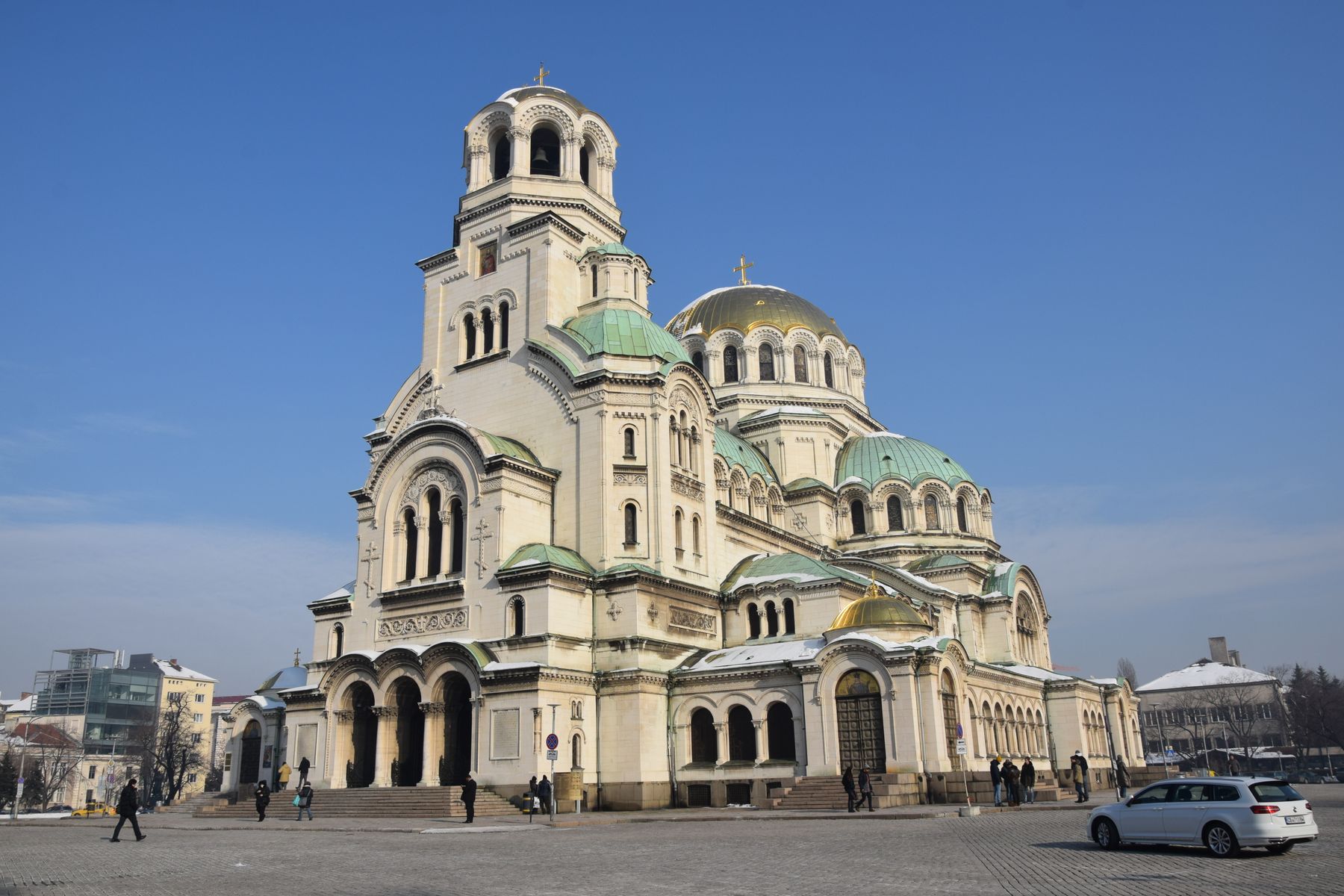
For a three- or four-night city trip built around the Alexander Nevsky Cathedral, the Roman ruins and the museums, I would book Krasna Polyana: the metro does the work, and you are not paying centre prices for a room you barely use. For a week or more with a car, especially in early summer, Gorna Banya is the better stay — greener, cooler, calmer, and close enough to Vitosha for real half-day walks. Families usually prefer Krasna Polyana for the shorter transfers; couples and walkers lean to Gorna Banya.
Skip both if this is your first visit and you want to step out of the lobby into the city — the area around Graf Ignatiev and the National Palace of Culture will serve you better, at a higher price. Skip Krasna Polyana if you dislike tram noise and Soviet-era blocks, and skip Gorna Banya if you have no car and plan late dinners. Whichever you choose, search sofiagotravel.com for Sofia and beyond — the site covers destinations worldwide, not only the capital.
Questions, answered
Is Krasna Polyana or Gorna Banya better for a first trip to Sofia?
Krasna Polyana, because the metro and tram links make the centre quick and cheap to reach. Gorna Banya is quieter and greener but better suited to a second visit or a walking-focused stay with a car.
Do I need a car to stay in Gorna Banya?
Not strictly, since the M1 metro reaches Gorna Banya station. In practice a car helps a great deal for shopping, dining out and reaching Vitosha's trails, as local amenities are limited and spread out.
How long does it take to reach central Sofia from each area?
From Krasna Polyana, allow ten to fifteen minutes by tram or metro. From Gorna Banya, expect around twenty minutes on the M1 plus walking time to your accommodation. Airport transfers run roughly thirty to forty minutes by road.
Doing good is the business: every booking through Stay Sofia funds one verified tonne of carbon removal — same room, same price, no markup.
Start your search