Neighbourhood picks
Sofia After Midnight: Which Trams and Buses Still Run
A practical guide to Sofia's night transport — the tram and trolleybus lines that keep going past midnight, the night bus network, taxi alternatives and how to time your return to your hotel in the city centre.
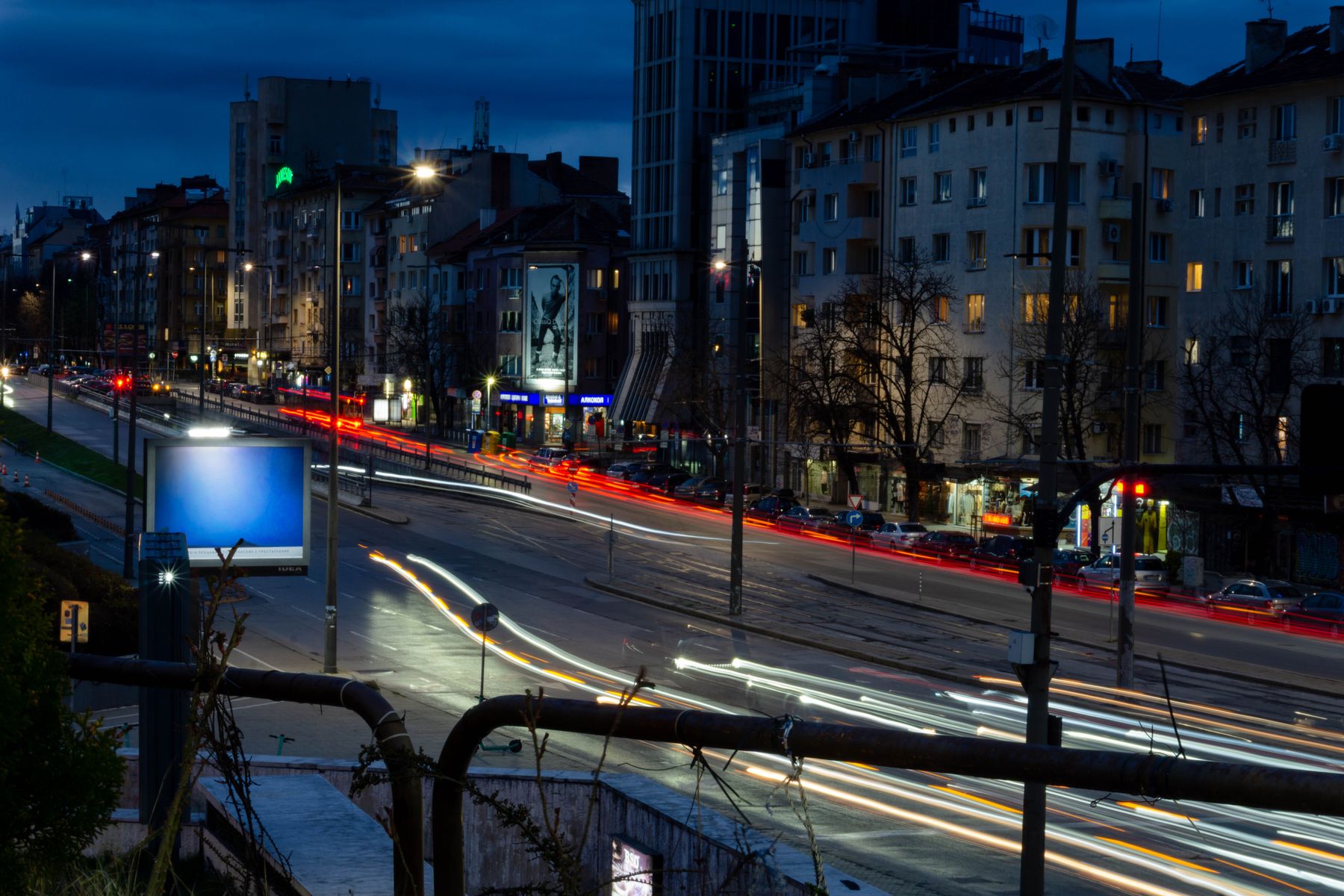
What Actually Runs After Midnight in Sofia
Sofia's public transport does not shut down at midnight, but it thins out sharply. The metro stops early — last trains leave the central interchange at Serdika around midnight, and the M1/M2/M4 airport link is finished well before 00:30. Trams and trolleybuses mostly wind down between 23:00 and 00:30, with a small number of late runs on the busiest corridors. The backbone after midnight is the night bus network, which runs roughly every 30 to 60 minutes on a handful of radial routes, all touching the centre.
The key is knowing that the night network is numbered separately and does not follow the daytime map. Rather than memorising a dozen lines, plan around the centre: almost every night bus passes through or near Serdika, NDK, or the junction at Orlov Most. If your hotel is in the centre within walking distance of those three points, you rarely need anything else. If you are staying further out — in Lozenets, Mladost, or Nadezhda — check which night line serves your district before you book, because coverage is uneven.
Night Buses: How the Network Fits Together
A few tram lines keep a last run or two going past midnight, but treat them as the exception rather than the plan. The tram corridors that stay busiest late are those linking the centre with the residential north and the eastern districts — routes that serve the area around the Central Railway Station and the Maria Luiza Boulevard axis. Trolleybuses thin out even earlier, and after about 00:30 you should assume they have stopped. Exact last-run times shift with the season and with scheduled timetable changes, so check the current timetable at the stop or on the operator's site the same day.
What this means practically: do not build an evening around catching a specific tram after midnight. If you are out late near Vitosha Boulevard, the National Palace of Culture, or the bars around Angel Kanchev Street, walk to the nearest night-bus corridor instead of waiting for a tram that may not come. If you are staying in a hotel near the centre, the walk home from most central nightlife districts is under 20 minutes anyway, which is often the simplest answer.
Taxis, Ride-Hailing and Paying for It All
Sofia's public transport is cheap. A single journey on the city network sits in the low euro range — a few coins rather than a few euro notes — and night buses do not carry a premium over daytime services. You can pay at ticket machines at major stops and metro stations, or by tapping a contactless bank card on newer validators. Buy a ticket before boarding where you can; inspectors do work late services, and the on-board penalty is far higher than the fare.
A taxi across the centre at night typically costs around €5 to €8 depending on distance and traffic, which is worth it if you are carrying bags or the wait for a night bus stretches past 30 minutes. Use a licensed taxi rank or a ride-hailing app rather than an unmarked car. For accommodation, staying within walking distance of Serdika or NDK removes the whole question — and you can search sofiagotravel.com for hotels in Sofia-Grad and worldwide, with a 5% cashback credit available on bookings where the terms apply.
Where to Stay So the Journey Ends Well
Weather shapes the experience more than you might expect. Sofia sits at around 550 metres, and winter nights from December to February are cold enough that a 25-minute wait at an exposed stop is genuinely unpleasant; there is snow most winters and pavements get icy. July and August are the opposite — warm, dry evenings when walking home from dinner is comfortable and the night bus is almost a backup option. Spring and early autumn give the best balance for late evenings out.
If your plans lean towards late nights, prioritise a hotel in the centre triangle bounded roughly by Serdika, NDK and the Alexander Nevsky Cathedral area. That puts you within walking distance of most of the city's late-opening bars and restaurants and close to multiple night-bus corridors, so a missed connection costs you little. Outside that zone, verify your district's night coverage first. Book on sofiagotravel.com once you have checked the routes — it is easier to pick a hotel that fits the transport than the reverse.
Frequently Asked Questions About Sofia Night Transport
Do Sofia's trams run after midnight? Only a handful, and they are the exception. Most trams stop between 23:00 and 00:30, and after that the night bus network takes over. Check the stop timetable on the day — schedules change seasonally. Do not rely on catching a specific tram after midnight unless you have verified it. Which lines run through the centre at night? Sofia's night buses all pass close to the centre — Serdika, NDK or Orlov Most. If your hotel is near one of those points, you are covered. Coverage is uneven in outer districts like Mladost and Nadezhda, so check before you book. How much does a night bus ticket cost? A single journey on Sofia's city network is very cheap — the low euro range — and night buses cost no more than daytime services. Pay at a ticket machine or tap a contactless card. Buy ahead where possible: inspectors do work late runs and the on-board penalty is much higher. Are taxis easy to find late at night? Yes, in the centre. A cross-centre trip at night typically costs around €5 to €8. Use a licensed rank near Serdika or NDK, or a ride-hailing app. Avoid unmarked cars offering rides outside bars. For the airport, arrange a taxi or check the first morning metro instead. How late does the metro run? The metro stops earliest of all — last trains leave Serdika around midnight, and the M1/M2/M4 airport line is finished before 00:30. If your flight lands late, plan for a taxi rather than the metro. Morning services start early enough for most departures. Is it safe to wait at stops after midnight? Sofia's night buses are used by ordinary commuters and are generally unremarkable. Stick to well-lit stops on main boulevards, keep your bag zipped, and use a taxi if a wait stretches past 30 minutes. Standard city precautions apply; no special measures are needed. What is the best area to stay for late nights? The triangle between Serdika, NDK and Alexander Nevsky Cathedral. It puts you within walking distance of most late-opening bars and restaurants and close to several night-bus corridors, so a missed connection costs little. Check sofiagotravel.com for hotels there, plus other Sofia-Grad and worldwide options. How do winter nights affect late travel? December to February brings cold and occasional snow, and pavements get icy. A 25-minute wait at an exposed stop is genuinely unpleasant, so favour a taxi or a hotel within walking distance of your evening plans. July and August are the reverse — warm nights when walking home is easy.
Related articles
Questions, answered
Does the Sofia metro connect to the airport late at night?
No. The M1/M2/M4 airport link finishes before 00:30, with last trains leaving Serdika around midnight. If your flight lands late, plan on a taxi from the airport rather than the metro, and check morning service times for early departures instead.
Can I pay for a Sofia night bus by contactless bank card?
Yes, on newer validators you can tap a contactless bank card, or buy a ticket from machines at major stops and metro stations. Buy before boarding where possible, since inspectors work late services and the on-board penalty is much higher than the fare.
How often do Sofia's night buses run?
Roughly every 30 to 60 minutes on a handful of radial routes, all touching the centre. Because the gaps are long, check the timetable before you commit, and if the wait stretches past 30 minutes a taxi across the centre is often the more sensible choice.
Which Sofia districts have poor night bus coverage?
Coverage is uneven in outer districts such as Lozenets, Mladost and Nadezhda. If you are staying there, check which night line serves your area before booking, and consider whether a taxi for the final stretch is worth budgeting for.
Is it worth staying in the centre to avoid night transport problems?
Yes, if you plan late evenings. The triangle between Serdika, NDK and Alexander Nevsky Cathedral puts most late-opening bars and restaurants within walking distance and near several night-bus corridors, so a missed connection costs you very little.
When is the best time of year for late nights out in Sofia?
Spring and early autumn give the best balance. July and August are warm and dry, making the walk home comfortable. December to February brings cold, snow and icy pavements, so a 25-minute wait at an exposed stop is genuinely unpleasant — take a taxi instead.
How do I find the right stop for my night bus in central Sofia?
Plan around the centre rather than memorising lines: almost every night bus passes through or near Serdika, NDK or Orlov Most. Walk to the nearest of those three corridors instead of waiting at a tram stop for a service that may not come.
Should I book a hotel before or after checking Sofia's night routes?
Check the routes first. It is easier to choose a hotel that fits the transport than to work around a fixed booking, especially outside the centre. Once you know your district's coverage, you can search sofiagotravel.com for Sofia-Grad and worldwide hotels.
Doing good is the business: every booking through Stay Sofia funds one verified tonne of carbon removal — same room, same price, no markup.
Start your search