Neighbourhood picks
Where to Stay in Varna: Best Areas, Beach Hotels & Family-Friendly Options
Bulgaria's sea capital offers everything from bustling beachfront boulevards to quiet residential quarters, with neighbourhoods to match every budget and travel style along its 8-kilometre coastline.
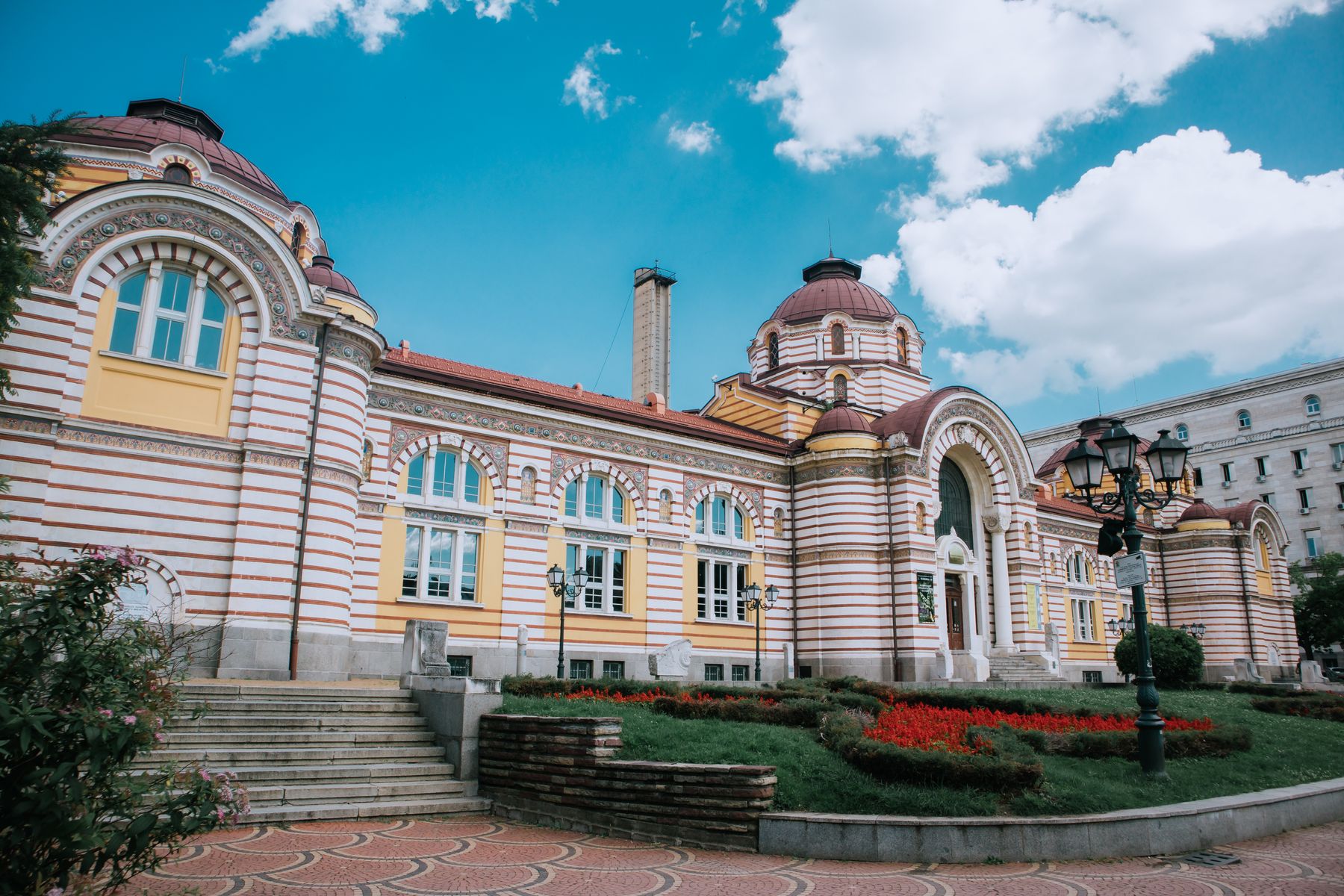
Central Varna and the Cathedral District: Where Culture Meets Convenience
The pedestrianised streets around Sveti Aleksandar Nevski Cathedral and Boulevard Knyaz Boris I form Varna's commercial and cultural heart, roughly one kilometre inland from the beach. This is where you'll find the Archaeological Museum, the Opera House, and a dense grid of cafés, exchange offices and bakeries that stay open past midnight in summer. Hotels here sit in belle-époque townhouses or mid-century blocks, typically charging €45–75 per night for a double in peak season. You're a fifteen-minute walk from Primorski Park and the Sea Garden, and city bus 409 runs every twelve minutes to Golden Sands if you want a day trip to the resort strip. I'd book this area if you plan to split time between sightseeing and beach days, or if you're arriving late by train at Varna Tsentralna station, which is a ten-minute walk west.
Accommodation density is highest along ulitsa Slivnitsa and ulitsa Preslav, where family-run three-star hotels occupy renovated 1930s buildings with high ceilings and parquet floors. Breakfast usually means shopska salad, kashkaval cheese, banitsa pastry and instant coffee; ask for addition eggs if you want protein. The neighbourhood gets loud on Friday and Saturday nights when students from the Medical University crowd the bars on ulitsa Tsar Simeon, so request a courtyard-facing room if you're a light sleeper. Parking is scarce—most hotels either have no spaces or charge €8–12 per night for a spot in a guarded lot two blocks away. If you're driving, consider staying closer to the port where there's more street parking, or choose a hotel on the city's southern outskirts near the ring road.
The central market on ulitsa Opulchenska opens at seven every morning except Monday and sells everything from wild herbs to knock-off sportswear. It's worth walking through even if you don't buy anything, because the cheese vendors will let you taste before committing and the fruit stalls sell cherries and apricots by the kilo for half what the hotel minibar charges. Two streets south, the covered fish market has midday auctions where restaurants bid on the Black Sea catch; tourists can watch from the gallery but you can't buy unless you have a commercial licence. For dinner, avoid the folklore restaurants on Knyaz Boris—they're designed for cruise passengers and charge double. Instead, walk five minutes east to mehana Chuchura on ulitsa Gabrovo, where locals eat grilled mackerel, lyutenitsa dip and homemade rakia for under €12 a head.
Seaside Promenade and Primorski Park: Beach Access Without the Resort Crowds
The two-kilometre stretch between the Sea Garden's main entrance and the port offers the best of both worlds: you can walk to sand in five minutes but you're still in a real neighbourhood with supermarkets, pharmacies and locals who live here year-round. Hotels along bulevard Primorski face either the park or the marina, and most have been refurbished in the past decade with air conditioning that actually works and power showers instead of the dribbling Soviet-era fittings you sometimes find inland. Expect to pay €60–95 for a double with a sea view in July and August, dropping to €35–50 in May, June and September when the water is still warm enough for swimming but the Russian package tourists haven't arrived yet.
The beach here is narrower than at the northern resorts but cleaner, because the city council rakes it every morning and employs lifeguards from June to September. Sunbed and umbrella hire costs 15 leva for the day—pay the attendant in cash, not the guys who approach you on the sand claiming to work for the municipality. The swimming area is roped off and patrolled, which matters if you have children, because the seabed drops away quickly beyond the buoys. Most families set up near the dolphinarium at the park's northern end, where there's a playground, a kiddie pool, and a snack kiosk selling mekitsi fried dough and ayran yoghurt drink. Teenagers prefer the area near the Festival Complex, where there's beach volleyball, a skate park, and a strip of bars that blend into clubs after eleven.
For accommodation, I'd choose one of the small hotels on ulitsa Devnya or ulitsa Voden, two quiet streets that run perpendicular to the promenade, giving you beach access without the noise of the main boulevard. Hotel Yo is a thirty-room property on Devnya that local travel agents recommend for solo travellers and couples—it has a courtyard breakfast terrace, bicycle storage, and the owner speaks fluent English and German. Families often book the apartments on ulitsa Han Krum, where you get a kitchenette, a washing machine, and enough space for a cot without everyone tripping over luggage. The nearest big supermarket is a Fantastico on bulevard Knyaz Boris, a twelve-minute walk, but there's a smaller shop on ulitsa Bratya Shkorpil that stocks basics and stays open until ten. If you're cooking, buy your vegetables at the outdoor market on Wednesday and Saturday mornings near the Festival Complex—prices are half what the supermarket charges and the quality is noticeably better.
Northern Neighbourhoods: Trakata, Vinitsa and the Road to Golden Sands
The hillside suburbs of Trakata, Vinitsa and Alen Mak stretch north of the Sea Garden along the coast road toward Golden Sands, offering modern villa-style hotels, guest houses and apartment complexes built in the past fifteen years. This is where Bulgarian families and Sofia weekenders book because you get more square metres per lev, guaranteed parking, and usually a pool and a garden where children can play safely. Prices range from €40 for a studio apartment to €120 for a four-person villa with a sea-view terrace, and most properties include breakfast. You're three to seven kilometres from Varna's centre, so you'll need a car or be comfortable using taxis—a ride into town costs 12–18 leva depending on traffic and time of day.
Trakata sits on a wooded slope about four kilometres north, with winding streets and limited public transport—bus 409 stops at the main crossroads but only every forty minutes outside summer. The beach below is a mix of sand and pebbles, accessed by steep paths or concrete stairs, and there are no facilities beyond a couple of seasonal snack bars. I'd stay here if you're driving and want a quiet base for day trips to the Pobiti Kamani stone forest (half an hour west), the Aladzha Monastery caves (fifteen minutes north), or the wine cellars around Beloslav (twenty minutes northwest). Most hotels have arrangements with restaurants in Vinitsa or Sveti Konstantin, the next resort north, where you can eat dinner and charge it to your room. If you'd rather self-cater, there's a Billa supermarket on the main road near the Trakata bus stop, open until nine.
Vinitsa and Alen Mak are closer to Sveti Konstantin resort, about six kilometres from Varna centre, and feel more developed—wider roads, newer buildings, better street lighting. Several four-star properties opened here between 2018 and 2023 to catch overflow from Golden Sands, offering spa facilities, kids' clubs, and half-board packages that work out cheaper than paying for every meal separately. The beach at Sveti Konstantin is the best along this stretch: fine sand, shallow water, and mineral springs that feed into open-air thermal pools where you can soak for free. Bus 409 terminates here, running every fifteen minutes in summer and connecting you to both Varna centre and Golden Sands in the opposite direction. If you book accommodation in this area, make sure to clarify the exact address—many hotels advertise themselves as being in Golden Sands when they're actually two kilometres south in Sveti Konstantin, which means a long walk or a taxi ride to reach the main resort's restaurants and nightlife.
Southern Coast: Asparuhovo, Galata and the Quiet Side
Cross the Asparuhov Bridge south of the port and you enter a different Varna—fewer tourists, lower prices, and neighbourhoods where babas still hang laundry on their balconies and argue about politics at the corner store. Asparuhovo is a working-class district built on steep hills overlooking the bay, with small hotels and guest houses charging €30–50 for a double in high season. The beach here is narrow and the water quality varies depending on port activity, but locals swear by the fish restaurants along the waterfront, particularly Staria Chiflika on ulitsa Rибарска, where grilled turbot and sea bream come straight from the boats and cost half what you'd pay on the tourist strip. You're fifteen minutes from the centre by car or bus 148, which runs every twenty minutes from the stop near the bridge.
Galata sits further south, a sprawling residential area where most accommodation comes in the form of private apartments listed on local booking sites. This is where budget travellers and long-term visitors stay—people who need a kitchen, a desk, and reliable WiFi rather than a pool and a breakfast buffet. You'll pay €25–40 per night for a clean, functional apartment, usually with free parking and a washing machine. The nearest beach is at Fichoza, a small bay with coarse sand and a seasonal beach bar, popular with windsurfers because the afternoon thermal wind blows reliably from the northeast. The big advantage of staying in Galata is proximity to the bypass road—you can reach Burgas in ninety minutes, Balchik in forty, or Shumen in fifty without battling Varna's summer traffic jams.
Public transport in Asparuhovo and Galata is reliable but not frequent, so check the bus schedules before booking if you don't have a car. Bus 409 doesn't serve this area—you'll rely on lines 148, 209, and 409A, which run every thirty to forty minutes and take twenty to thirty minutes to reach the centre depending on stops. Taxis are cheap by Western European standards—around 15–20 leva from Galata to the train station—but insist the driver use the meter, because some will quote a flat rate that's double the metered fare. For groceries, there's a large Kaufland hypermarket on bulevard Tsar Osvoboditel near the bridge, open until ten every night and selling everything from fresh bread to beach toys. The area isn't set up for tourists, which means no English menus or currency exchange kiosks, but that's precisely why prices stay reasonable and you get a sense of how Varna actually lives outside the summer season.
Golden Sands and Resort Strip: All-Inclusive Hotels for Beach-Focused Stays
Golden Sands sits eighteen kilometres north of Varna along the coast road, a purpose-built resort with nearly a hundred hotels squeezed onto a four-kilometre strip between the beach and a forested hillside. This is Bulgaria's answer to Spain's costas—large complexes with pools, slides, animation teams, and all-inclusive packages starting around €60 per person per night in shoulder season, climbing to €90–110 in July and August. The beach is the main draw: 3.5 kilometres of fine golden sand that's groomed daily, with calm water, lifeguards, and every water sport you can name. If your priority is spending maximum time on sunbeds with minimal travel logistics, and you don't mind package-holiday atmosphere, this is your spot.
The resort splits into northern and southern sections. The southern end near Riviera Holiday Club and Hotel International is marginally quieter, with older hotels, more trees, and a few family-run guest houses that don't do all-inclusive. The northern end around Hotel Admiral and the Aquapolis water park has the newest properties, the loudest pool parties, and the highest density of British and German tour groups. Restaurants along the main pedestrian strip charge tourist prices—expect 25–35 leva for a mediocre pizza or pasta that would cost 12 leva in Varna centre. The smart move is to eat breakfast and dinner at your hotel if you've paid for half-board, then walk ten minutes uphill to the village of Zlatni Pyasatsi where locals run mehanas serving grilled meat, shopska salad and beer for 20 leva per person.
Families with young children do well at Golden Sands because the infrastructure is set up for it—high chairs in every restaurant, cots in every room, shallow pools with slides, and hotel kids' clubs that run morning and afternoon sessions. The Aquapolis water park near the northern entrance has slides for all ages and charges 55 leva for adults, 40 leva for children, with discounts if your hotel has a partnership. The downside is noise—hotels host nightly animation shows and pool parties that echo across the valley until midnight, so read recent reviews carefully to gauge which properties are party zones and which enforce quiet hours. Bus 409 connects Golden Sands to Varna centre every fifteen minutes from seven in the morning until eleven at night, taking thirty-five minutes each way and costing 1.50 leva. If you want to explore Varna's museums, restaurants and nightlife, factor in that commute time. Personally, I'd stay in Golden Sands only if I were traveling with children under ten who'd be happy spending five days on the beach, or if I'd found an exceptional deal on an all-inclusive package that made the per-day cost unbeatable.
Practical Tips for Booking Accommodation in Varna
July and August are peak season, with Bulgarian school holidays, Russian tourists, and European package groups all competing for rooms. Book at least six weeks ahead for this period, and expect prices to be thirty to fifty percent higher than in June or September. The shoulder months—May, early June, and September—offer the best value: water temperature is still 21–23 degrees, most restaurants and attractions are open, but hotel rates drop significantly and beaches aren't crowded. October is quiet and cheap but unpredictable—some years the weather holds until mid-month, other years it rains from the first week. April and November are off-season; many beachfront properties close entirely, and those that stay open cater mainly to business travellers and conference groups.
Most Varna hotels include breakfast, but quality varies wildly. Three-star properties typically offer a buffet with bread, cheese, salami, boiled eggs, and instant coffee—functional but repetitive after a few days. Four-star and above add hot dishes, fresh fruit, proper coffee, and sometimes local specialties like banitsa and boza. If breakfast isn't included and you're staying more than three nights, consider buying basics at a supermarket—yoghurt, fruit, bread and cheese cost about 10 leva total and let you eat on your balcony before heading out. Free WiFi is standard across all categories now, though speeds in older buildings can be sluggish. Air conditioning matters more than you'd think; even in September, inland rooms get stuffy, and not all properties have it. Check reviews specifically mentioning summer heat if you're sensitive.
Parking is a significant consideration if you're driving. Central hotels rarely have their own spaces—you'll park on the street and move your car every two hours to avoid fines, or pay for a public lot. Beachfront and northern/southern neighbourhood properties usually include free parking or have agreements with nearby lots. Golden Sands hotels all have parking, though some charge 10–15 leva per night. If you're not renting a car, base yourself in central Varna or along the Primorski Park promenade where you can walk to most attractions and use public transport for day trips. The city's bus system is reliable and cheap—1.50 leva per ride, pay the driver in cash—and taxis are affordable for occasional use, but relying on them daily adds up quickly. Whatever neighbourhood you choose, search and book through a local hotel platform that understands Varna's layout and can help match your priorities—beach time, sightseeing, budget, or family needs—to the right area and property.
Questions, answered
What's the best area to stay in Varna if I don't have a car?
Central Varna around Sveti Aleksandar Nevski Cathedral or the Primorski Park promenade is ideal without a car. You can walk to the beach, restaurants, museums and nightlife, and bus 409 runs every twelve to fifteen minutes to Golden Sands and northern beaches for 1.50 leva. The port and train station are also within walking distance or a short taxi ride.
Is Golden Sands better than staying in Varna city for a family beach holiday?
Golden Sands wins if your children are young and you want all-inclusive convenience with kids' clubs, water parks, and animation teams. But you'll sacrifice authenticity and pay higher restaurant prices. Staying along Varna's Primorski Park gives you beach access, better food options, and the chance to explore museums and parks, though you'll need to organize your own activities rather than relying on hotel entertainment.
When is the cheapest time to book a hotel in Varna?
Late May, early June, and September offer the best value—hotel rates drop thirty to fifty percent compared to July and August, yet water temperature stays above twenty degrees and most facilities remain open. Book eight to ten weeks ahead for September because Bulgarian families target that month once schools resume. Avoid the last two weeks of July when domestic and Russian peak season overlaps.
Do Varna hotels include breakfast and is it worth paying for?
Most include breakfast, typically a buffet with bread, cheese, eggs, salami and coffee. Quality varies—four-star properties offer hot dishes and fresh fruit, while budget hotels serve instant coffee and limited choice. If breakfast isn't included and you're staying four nights or more, buying supermarket staples like yoghurt, banitsa pastry and fruit costs less and often tastes better than paying €8–12 per person for a hotel buffet.
Which Varna neighbourhood has the best restaurants and nightlife?
Central Varna around ulitsa Knyaz Boris and the side streets near the Opera House has the highest density of restaurants, bars and clubs, though tourist-facing places charge inflated prices. For authentic mehanas serving grilled fish and traditional dishes, head to the streets behind the Archaeological Museum or cross to Asparuhovo where locals eat. The Primorski Park promenade has good seafood restaurants with terraces overlooking the bay, particularly between the Sea Garden entrance and the port.
Doing good is the business: every booking through Stay Sofia funds one verified tonne of carbon removal — same room, same price, no markup.
Start your search